
Expert Ceiling Fan & Bathroom Vent Installation in West Jordan
Stagnant air leaves your bedroom uncomfortably warm on summer nights while your HVAC system runs continuously, and steam from morning showers clings to bathroom walls creating persistent moisture problems. Poor air circulation and inadequate ventilation plague homeowners throughout West Jordan, South Jordan, Herriman, Midvale, Bluffdale, Draper, Sandy, and Salt Lake City who need effective solutions for climate control and moisture management.
Why Proper Ventilation Matters for West Jordan Homes
Effective air movement dramatically impacts comfort levels, energy costs, and structural integrity throughout residential properties. Many West Jordan homes rely exclusively on central HVAC systems without supplemental ceiling fans or adequate bathroom ventilation, forcing heating and cooling equipment to work harder while failing to address localized air circulation needs. Bedrooms feel stuffy despite air conditioning, while bathrooms without proper exhaust systems trap moisture that damages paint, encourages mildew, and deteriorates building materials over time.
Ceiling fans provide year-round benefits by circulating cool air during summer months and redistributing warm air that rises to ceilings during winter heating seasons. Bathroom exhaust fans remove humidity, odors, and airborne contaminants before they spread throughout your home or cause structural damage. Together, these ventilation solutions create healthier indoor environments while reducing the workload on HVAC systems, which translates directly into lower utility expenses and extended equipment lifespan. Upgrading these systems often requires professional residential electrical services to ensure safe and code-compliant installation.
Compelling Benefits of Professional Fan & Vent Installation
- Reduced Cooling Costs: Ceiling fans create wind-chill effects that make rooms feel 4-8 degrees cooler, allowing thermostat adjustments that cut air conditioning expenses by 20-40% during summer months
- Improved Heating Efficiency: Reversible fan rotation pushes warm air down from ceilings where it naturally accumulates, distributing heat more evenly and reducing furnace runtime during cold weather
- Moisture Control: Properly sized bathroom exhaust fans remove humidity within minutes of shower completion, preventing mold growth, paint peeling, and wood rot that result from trapped moisture
- Air Quality Enhancement: Ventilation systems expel odors, cleaning product fumes, and airborne particles that compromise indoor air quality and trigger allergies or respiratory sensitivities
- Comfort Optimization: Strategic ceiling fan placement creates gentle air movement that eliminates hot spots and stuffy conditions without the drafts or noise associated with portable fans
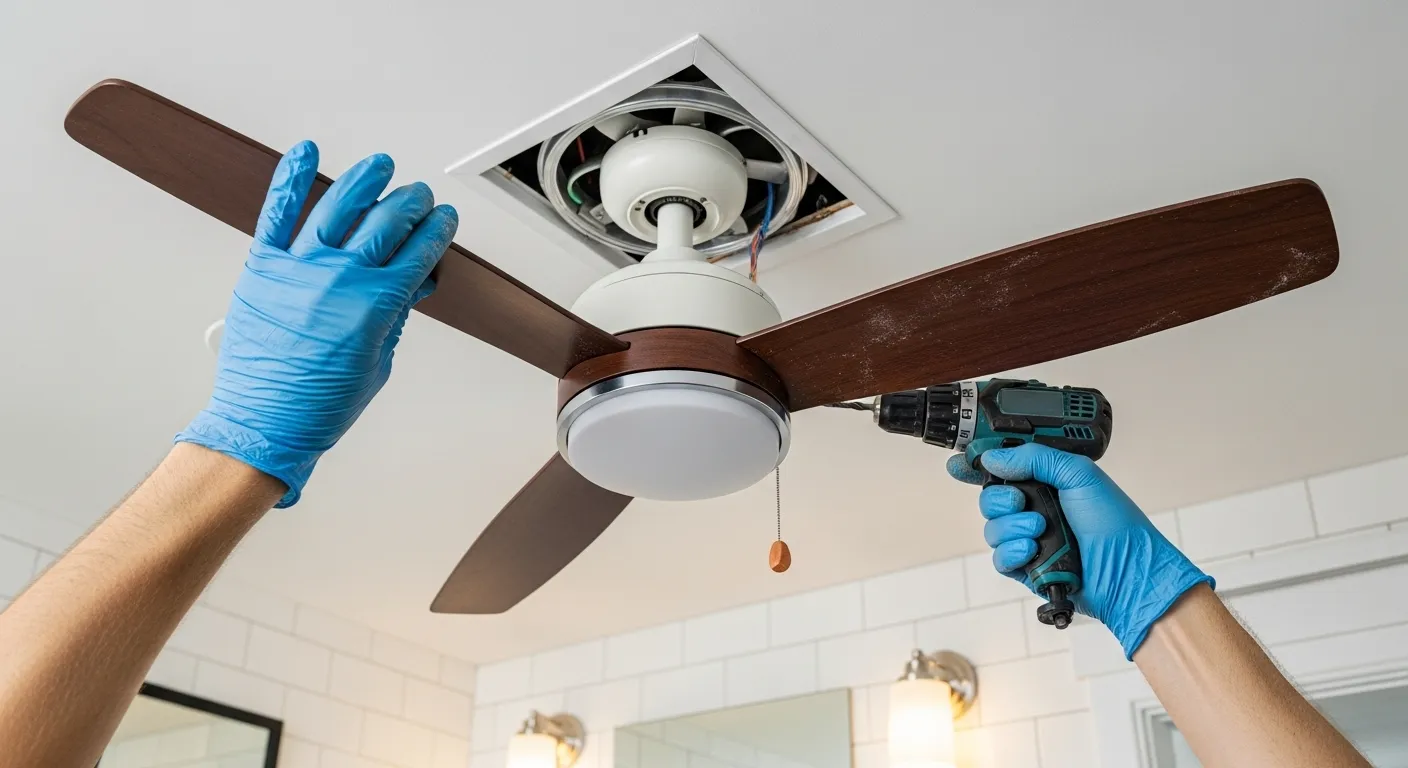
Identifying When Your Home Needs Better Ventilation Solutions
Several clear symptoms indicate your property would benefit from ceiling fan or bathroom vent installation. Bedrooms and living areas that feel uncomfortably warm despite air conditioning running suggest insufficient air circulation that ceiling fans would remedy. Rooms where temperatures vary noticeably between floor and ceiling levels reveal poor air mixing that wastes heating and cooling energy.
Bathrooms where mirrors fog heavily during showers and remain cloudy for extended periods lack adequate exhaust capacity. Visible mold or mildew on bathroom ceilings, walls, or grout lines signals dangerous moisture accumulation that proper ventilation would prevent. Peeling paint or wallpaper in bathrooms indicates chronic humidity problems requiring immediate attention. Musty odors lingering after bathroom use or spreading to adjacent rooms demonstrate ventilation deficiencies. If you’re experiencing unexpectedly high utility bills despite moderate HVAC use, poor air circulation forces your heating and cooling systems to compensate inefficiently.
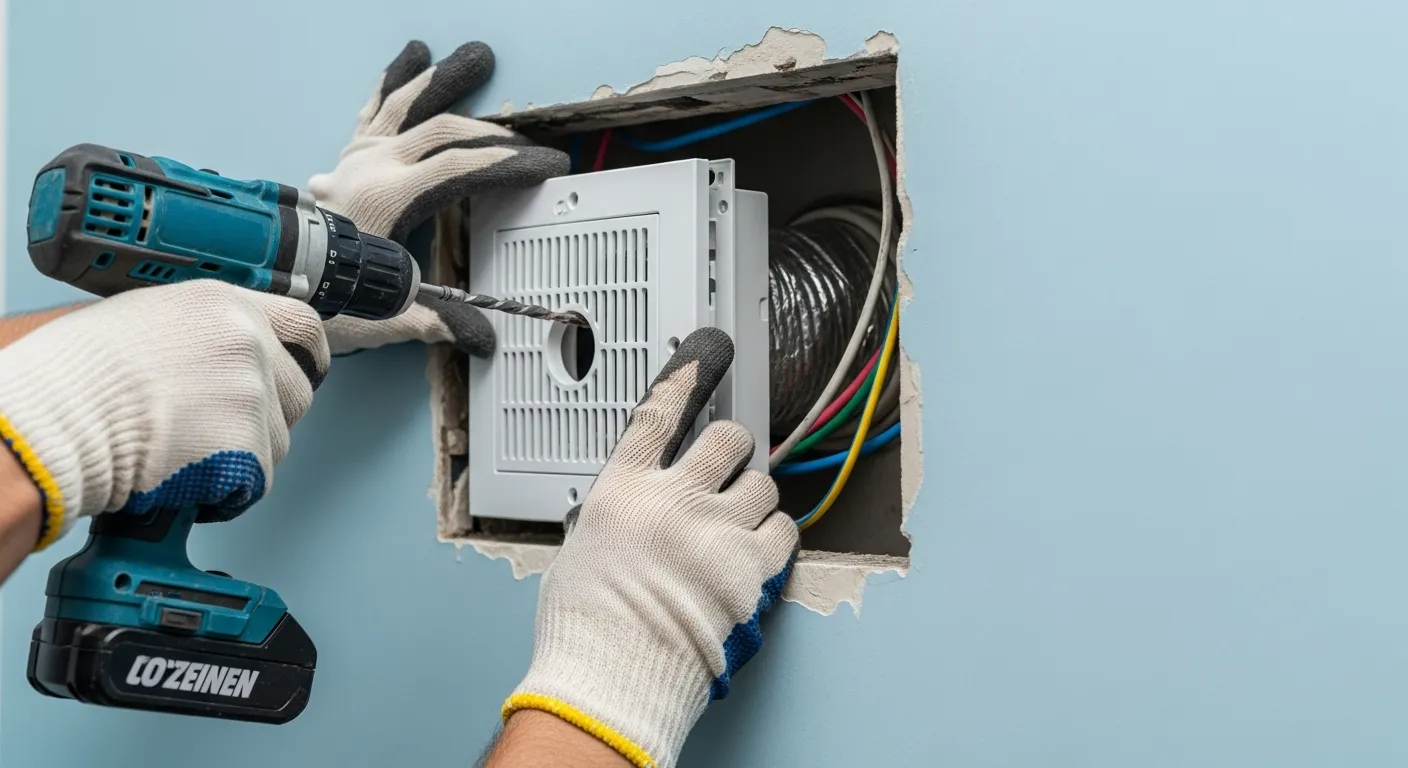
Addressing West Jordan's Climate-Specific Ventilation Challenges
West Jordan’s distinctive climate patterns create particular demands for residential ventilation systems. Hot, dry summers mean homeowners seek cost-effective cooling alternatives beyond energy-intensive air conditioning, making ceiling fans especially valuable for comfort without excessive electricity consumption. Cold winters with significant heating needs benefit from ceiling fans redistributing warm air that otherwise accumulates uselessly near ceilings.
The region’s variable humidity levels—very dry in winter, occasionally humid during summer storms—require bathroom ventilation systems capable of handling moisture removal during humid periods while not over-drying during arid seasons. Many local homes feature finished basements that need additional air circulation to prevent the cool, stagnant conditions common in below-grade spaces. Understanding these regional climate characteristics ensures ceiling fan and vent installations deliver optimal performance for West Jordan’s specific environmental conditions.
Schedule Your Ceiling Fan & Vent Installation Now
Don’t continue tolerating uncomfortable temperatures, high energy bills, and moisture problems that professional ventilation solutions easily resolve. Contact TriStar Electric at (801) 842-9035 to arrange a ventilation assessment. Skilled electricians will evaluate your air circulation needs, recommend appropriate fan and vent solutions for each space, and complete installations that enhance comfort while protecting your home from humidity damage.
Frequently Asked Questions
How do I choose the right size ceiling fan for my room?
Ceiling fan sizing depends primarily on room dimensions to ensure adequate air circulation without overwhelming smaller spaces or providing insufficient coverage in larger rooms. Rooms up to 75 square feet work well with fans featuring 29-36 inch blade spans, while spaces between 76-144 square feet need 36-42 inch fans. Medium rooms from 144-225 square feet require 44-50 inch fans, and larger spaces exceeding 225 square feet benefit from 52-60 inch fans or multiple fans for optimal coverage. Ceiling height also matters—standard 8-9 foot ceilings need fans mounted with downrods positioning blades 8-9 feet above floors and at least 7 feet above the floor, while higher ceilings require longer downrods maintaining proper blade height.
Can ceiling fans really reduce my heating and cooling costs?
Yes, ceiling fans deliver measurable energy savings when used strategically throughout the year. During summer, fans rotating counterclockwise create downward airflow that produces wind-chill effects making rooms feel significantly cooler without actually changing air temperature. This perceived cooling allows you to raise thermostat settings by 4-6 degrees while maintaining comfort, reducing air conditioning electricity consumption by 20-40%. In winter, switching fans to clockwise rotation at low speed pulls cool air upward, forcing warm air accumulated near ceilings down into living spaces where you actually benefit from it. This improved heat distribution means furnaces run less frequently to maintain comfortable temperatures.
What's the difference between bathroom exhaust fans with different CFM ratings?
CFM (cubic feet per minute) measures how much air an exhaust fan moves, which directly determines how quickly and effectively it removes moisture and odors from bathrooms. Building codes typically require minimum 50 CFM for bathrooms under 50 square feet, with larger bathrooms needing proportionally higher CFM ratings. However, minimum code requirements often prove insufficient for real-world performance. A 50 CFM fan in a standard bathroom takes 15-20 minutes to clear shower steam, while an 80-110 CFM unit clears moisture within 5-10 minutes, providing far superior humidity control.
Do ceiling fan installations require new wiring or can they use existing light fixture wiring?
Whether existing wiring supports ceiling fan installation depends on several factors that licensed electricians assess during evaluation. Standard light fixtures connect to electrical boxes rated only for lightweight fixtures—typically 35-50 pounds—while ceiling fans weighing 50-75 pounds with operational vibration require fan-rated junction boxes specifically designed to handle dynamic loads. If your existing light connects through a fan-rated box already, electricians can often use that wiring after verifying wire gauge adequacy and ensuring proper support.
How long does it take to install a ceiling fan or bathroom exhaust fan?
Installation timeframes vary based on existing electrical infrastructure and any modifications required for proper installation. Straightforward ceiling fan installations replacing existing light fixtures with adequate fan-rated boxes typically complete within 1-2 hours per fan, including mounting, wiring, blade attachment, and testing. Projects requiring new electrical boxes, ceiling reinforcement, or running new wiring extend to 2-4 hours per location depending on accessibility and structural complexity.