Professional Outlet, Switch & GFCI Repairs for West Jordan Homes
You reach for the light switch in the morning and feel a slight tingle, or plug in your phone charger only to find the outlet completely dead. Malfunctioning switches, faulty outlets, and non-functioning GFCI protection create daily frustrations and serious safety hazards for residents across West Jordan, South Jordan, Herriman, Midvale, Bluffdale, Draper, Sandy, and Salt Lake City who expect reliable, safe electrical access throughout their homes. Expert outlet, switch, and GFCI repair services restore proper functionality while eliminating dangerous conditions that put families and property at risk.
The Hidden Dangers of Defective Outlets and Switches
Electrical outlets and switches represent the most frequently used components in your home’s electrical system, enduring thousands of cycles throughout their lifespan. This constant use gradually degrades internal connections, loosens terminals, and wears down contact points that carry electrical current. What begins as minor inconveniences—outlets that don’t grip plugs firmly or switches requiring multiple attempts—often masks deteriorating conditions that pose genuine fire and shock risks. Some homeowners choose electrical panel evaluations during this stage to confirm safe load handling for high use circuits.
These essential components serve as the interface between your home’s electrical system and everything you plug in or turn on daily. When outlets and switches fail, they don’t simply stop working—they can create arcing, overheating, and electrical shorts that ignite surrounding materials. GFCI (Ground Fault Circuit Interrupter) devices add critical protection against electrical shock in wet locations like bathrooms, kitchens, and outdoor areas, but only when functioning correctly. Defective GFCI outlets lose their life-saving ability to detect electrical imbalances and shut off power before dangerous shocks occur, leaving you vulnerable without realizing protection has failed.
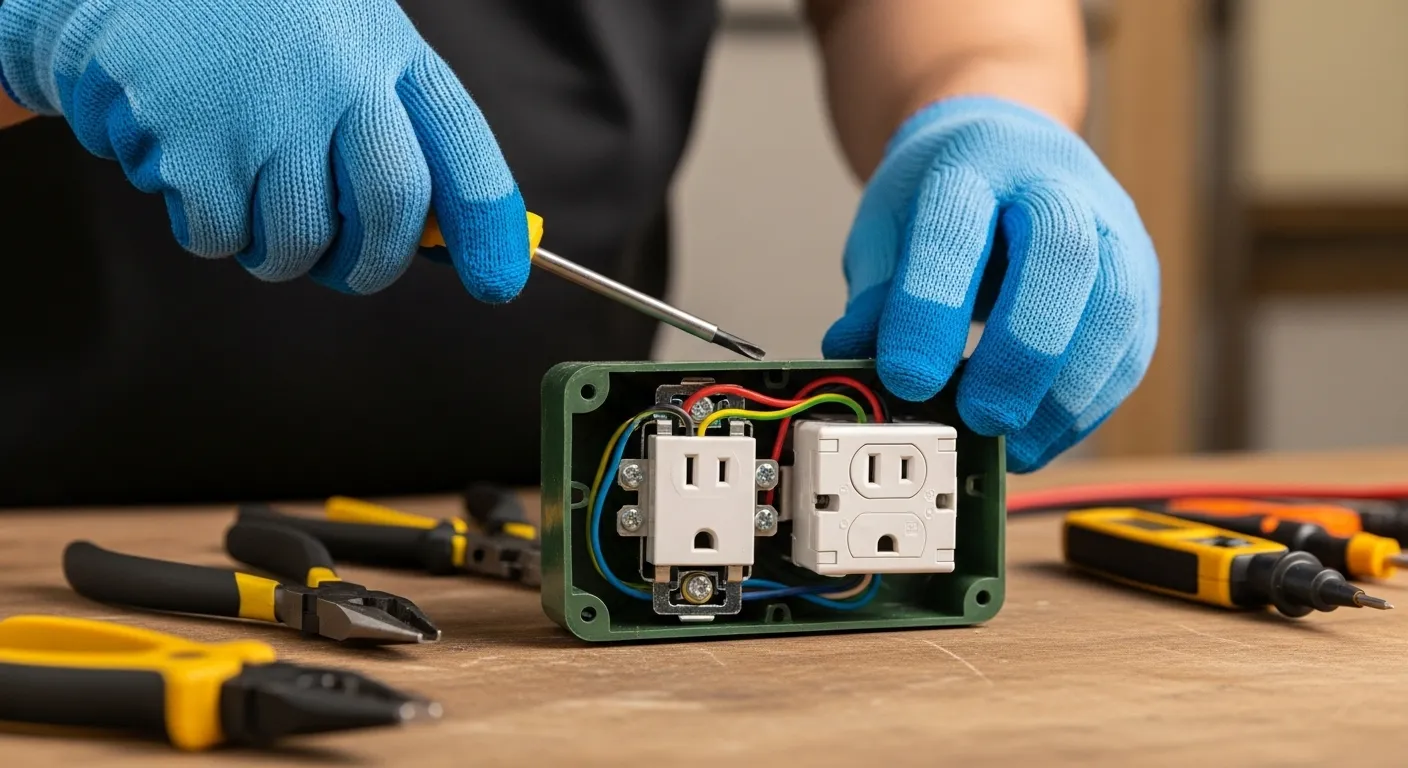
Critical Advantages of Repairing Faulty Electrical Components
- Shock Prevention: Properly functioning outlets and GFCI devices immediately cut power when detecting electrical faults, preventing potentially fatal electrocution incidents especially in wet environments
- Fire Risk Elimination: Repairing loose connections, worn contacts, and damaged components removes overheating hazards that cause thousands of residential fires annually
- Reliable Power Access: Functional outlets and switches ensure consistent electricity delivery to appliances, electronics, and lighting without intermittent failures or dead connections
- Code Compliance: Updated GFCI protection in required locations meets current safety standards that protect occupants and satisfy inspection requirements during home sales
- Device Protection: Quality electrical connections prevent power surges and voltage fluctuations that damage sensitive electronics, appliances, and smart home equipment
Red Flags Indicating Immediate Repair Needs
Specific warning signs demand prompt professional attention before minor issues escalate into dangerous situations. Outlets that spark when inserting or removing plugs indicate arcing from loose connections or damaged internal components. Switches or outlets that feel warm or hot to the touch reveal resistance problems causing excessive heat buildup. Discolored outlets with brown or black marks around openings show evidence of arcing or overheating that may have already damaged surrounding materials.
Outlets that fail to hold plugs securely have worn contact springs that create poor electrical connections and potential arcing. Switches requiring excessive force or multiple toggles to operate contain degraded internal mechanisms approaching failure. GFCI outlets that won’t reset after tripping, or test buttons that don’t function, have lost their protective capability and require immediate replacement. Buzzing, crackling, or sizzling sounds from switches or outlets signal dangerous electrical arcing. Any burning smell emanating from electrical components indicates active overheating requiring emergency attention.
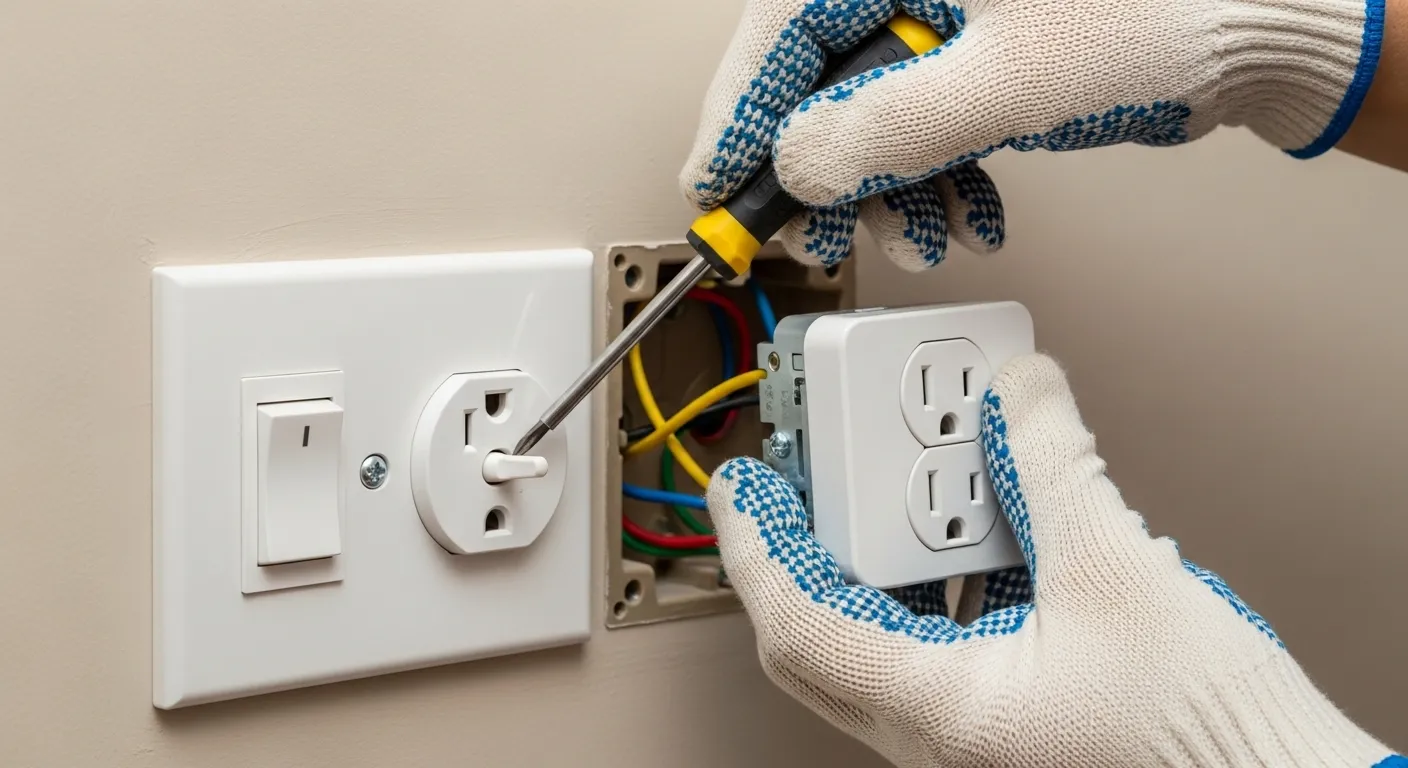
Common Electrical Issues in West Jordan's Diverse Housing
West Jordan’s residential areas contain homes spanning several decades of construction, each era presenting characteristic electrical problems requiring specialized repair approaches. Properties built before the 1980s frequently lack adequate outlet quantities by modern standards, leading to overloaded circuits and excessive extension cord use that creates hazards. These older homes often have two-prong outlets without proper grounding, compromising safety and making it impossible to safely connect three-prong appliances and electronics.
Many established neighborhoods feature aluminum wiring from the 1960s-70s that requires special handling and connection techniques to prevent dangerous failures. Homes from any era may have accumulated amateur electrical work from previous owners—improper repairs, mismatched components, and code violations that create hidden hazards. West Jordan’s growing population of young families means many homes now support far more electronic devices, appliances, and charging needs than original electrical systems were designed to handle, stressing outdated outlets and switches beyond their intended capacity.
Get Your Electrical Repairs Completed Today
Stop living with unreliable switches, dangerous outlets, and compromised GFCI protection that threaten your safety and convenience. Call TriStar Electric at (801) 842-9035 to schedule electrical repairs. Certified electricians will diagnose problems accurately, explain necessary repairs clearly, and restore safe, reliable operation to every outlet and switch in your home with quality workmanship backed by professional guarantees.
Frequently Asked Questions
Why do my outlets keep losing their grip on plugs?
Outlet contact springs wear out from repeated insertion and removal of plugs over years of use, gradually losing the tension needed to grip plug prongs firmly. This wear accelerates when people frequently plug and unplug devices or use heavy adapters that stress internal mechanisms. Loose outlets create dangerous conditions because poor contact between prongs and internal contacts generates resistance, which produces heat that can melt insulation, damage wiring, and ignite surrounding materials.
How often should GFCI outlets be tested, and what does the test button actually do?
GFCI outlets should be tested monthly using the built-in test and reset buttons to verify they’re providing proper protection. The test button simulates a ground fault condition by creating a small intentional imbalance between the hot and neutral wires flowing through the device. A functioning GFCI detects this imbalance within milliseconds and immediately trips, cutting power to the outlet and any downstream outlets it protects—you’ll hear a click and the reset button will pop out. After testing, pressing the reset button restores power. If the GFCI doesn’t trip when you press the test button, or won’t reset after tripping, it has failed and no longer provides shock protection despite still potentially supplying power. Failed GFCI devices must be replaced immediately since they create a false sense of security while offering no actual protection.
Can I just replace outlets and switches myself or do I really need an electrician?
While replacing outlets and switches might appear straightforward, several factors make professional service advisable for safety and code compliance. Licensed electricians have the training, experience, and tools to work safely with live electrical systems, recognize wiring problems that aren’t obvious to untrained eyes, and ensure installations meet current electrical codes. DIY attempts frequently result in reversed polarity, improper grounding, loose connections, mismatched components, and code violations that create shock and fire hazards while complicating future repairs.
What causes light switches to stop working or require multiple attempts?
Light switches fail through several mechanisms related to age, usage patterns, and electrical conditions. Internal contact points that complete circuits when switches flip to “on” positions gradually corrode, pit, and wear from thousands of cycles carrying electrical current, eventually degrading to where they no longer make reliable connections. This wear explains why switches initially work intermittently—requiring jiggles or multiple flips—before failing completely. Dimmer switches contain electronic components that can fail from heat buildup, especially when controlling loads near their maximum rating or installed in enclosed spaces without adequate ventilation.
Why do some outlets work while others on the same wall don't?
This common situation typically results from specific circuit configurations and failure points affecting multiple outlets. Many outlets connect in series where power flows from one outlet to the next—if an upstream outlet fails or develops loose connections, all downstream outlets lose power even though no breaker has tripped. GFCI outlets protect not only themselves but also additional standard outlets “downstream” on the circuit—when the GFCI trips, all protected outlets stop working until someone resets the GFCI, which might be located in a different room entirely.